
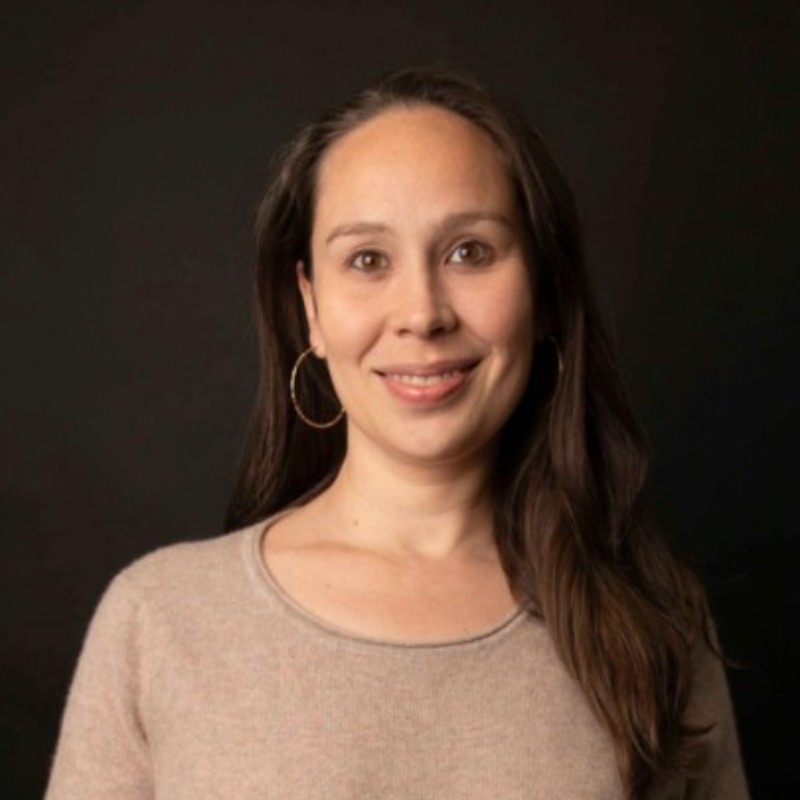
When Shelly, a 65-year-old retiree, was arrested in Tulsa two years ago, she was at the end of her rope. She and her 67-year-old husband had been struggling for years to make ends meet after a cascade of hardships: significant health problems, cuts to their SNAP benefits, and the loss of their home through eviction. Driven by hunger and desperation, Shelly went to Walmart to buy food. She paid for what she could afford, but hid the rest in her bag. An employee caught her and called the police. Charged with a nonviolent misdemeanor, Shelly faced prolonged incarceration simply because she couldn’t afford $800 in bail.
She is far from alone. On any given day, more than 7,500 sit in jail even though they have not been convicted of the crimes they’re accused of – they simply can’t afford their freedom. Like Shelly, many people held before trial are neither considered dangerous nor a flight risk, and a judge has determined them eligible for release – if only they can come up with the cash to purchase their freedom. This unnecessary setting of unaffordable bail amounts to wealth-based detention and disproportionately impacts low-income individuals and communities of color, reinforcing cycles of poverty and instability.
Cash bail has also overwhelmed the state’s jails and courts. Oklahoma holds the eleventh-highest pretrial incarceration rate nationally, and jails its citizens at a rate nearly 30% higher than the U.S. average. Meanwhile, case processing times and the average length of stay in jail are growing substantially, up an average of 70 days from 2018 to 2022. The increased use of unnecessary pretrial incarceration has placed too much burden on local jails, which are now dangerously overcrowded, failing health inspections, and often populated with people charged with low-level offenses and/or who are struggling with their mental health or addiction. Taxpayers ultimately pick up the tab – Tulsa County alone spends over $30 million annually on jail operations.
The Bail Project, a national nonprofit that provides free bail assistance and supportive services to people detained due to unaffordable bail, has been working in Oklahoma since 2018 and helping people like Shelly. In that time, they have helped more than 4,000 people in Tulsa and Oklahoma City. Many of these people were in danger of losing their jobs, their homes, and even the custody of their children as they sat in jail awaiting trial – all before even being convicted – or, in some cases, even having their cases dismissed altogether. Research shows that simply detaining any one of them for more than 48 hours increases their likelihood for future justice system involvement because of how destabilizing that experience is. In both Tulsa and Oklahoma City, The Bail Project’s clients make 90% of their court appearances, and 27% have their cases completely dismissed, meaning they never should have been incarcerated in the first place, proving that most people do not need a cash incentive to show up for court. By connecting clients with the services they need and helping them navigate the court process, the overwhelming majority of clients appear as required and have the freedom to defend their innocence in earnest.
After securing Shelly’s release by paying her bail amount free of charge, The Bail Project provided her with resources for food and housing, even organizing a ride to a local food pantry. Shelly left with five large bags of food, enough to feed her family for weeks. Importantly, The Bail Project staff supported Shelly with free court reminders and transportation assistance for the rest of her case, ensuring she attended all court hearings. By offering an empathetic and steady presence during a deeply challenging time, The Bail Project helped Shelly get things back on track. Taken together, this model shows that what many people need is support, not incarceration.
The Bail Project’s work in Tulsa and Oklahoma City is proof that a better system is possible. But to end the injustice of cash bail, systemic change is needed – so that freedom is not just for those who can afford it. Fortunately, the legislature is beginning to take notice of the pretrial crisis in Oklahoma and has considered legislation to alleviate harm. For example, in 2026, the Oklahoma legislature considered SB 1381, which included early access to legal counsel, bail hearings within 48 to 72 hours, and court reminder systems to reduce missed appearances. While this bill overwhelmingly passed the Senate, the House failed to move it forward.
Passing this kind of legislation in 2027 is a good first step that will give people have a real chance at pretrial release, but Oklahoma needs a broader shift toward a modern pretrial system to ensure no one falls through the cracks. A stronger and safer system would:
- Prioritize risk over wealth in release decisions, making sure money isn’t the only thing keeping people trapped in jail before trial when a judge has already deemed them not a threat of danger or flight;
- Make release the default, with detention only when necessary;
- Expand non-monetary supports, such as court date reminders and check-ins;
- Invest in community-based services that support stability and court appearance; and
- Reduce unnecessary detention to ease overcrowding and improve conditions.
These best practices reflect simple principles: freedom should not depend on wealth; every Oklahoman needs to be treated as innocent until proven otherwise; and public safety is enhanced by addressing needs, keeping families together, supporting neighbors’ livelihoods, and saving millions of taxpayer dollars.
Shelly ultimately joined a misdemeanor diversion program that would ultimately expunge her charge, and she and her husband moved into a two-bedroom apartment. For the first time in years, they feel safe and can focus on rebuilding their lives. But their experience shouldn’t be the exception; it should be the norm. It’s far beyond time to move Oklahoma away from a system of unnecessary detention that has driven us into a pretrial crisis, and toward one defined by safety, fairness, and true justice for all.
